from the European council on foreign relations in
2013 [a charity think tank with a lot of clout it seems]
It was once seen as a British disease. But Euroscepticism has now spread across the continent like a virus. As data from Eurobarometer shows, trust in the European project has fallen even faster than growth rates. Since the beginning of the euro crisis, trust in the European Union has fallen from +10 to -22 percent in France, from +20 to -29 percent in Germany, from +30 to -22 percent in Italy, from +42 to -52 percent in Spain, from +50 to +6 percent in Poland, and from -13 to -49 percent in the United Kingdom.
What is so striking is that everyone in the EU has been losing faith in the project: both creditors and debtors, and eurozone countries, would-be members, and “opt-outs”. Back in 2007, people thought that the UK, which scored -13 percent in trust, was the Eurosceptic outlier.
Now, remarkably, the four largest eurozone countries have even lower levels of trust in the EU institutions than Britain did back in 2007. So what is going on?
.... If sovereignty is understood as the capacity of the people to decide what they want for their country,
few in either the north or the south today feel that they are sovereign. A substantial part of democracy has vanished at the national level but it has not been recreated at the European level.
Is the rise of anti-EU populism here to stay? The hope is that as growth picks up, Euroscepticism will weaken and eventually recede. But the collapse of trust in the EU runs deeper than that. Enthusiasm for the EU will not return unless the EU profoundly changes the way it deals with its member states and its citizens.
Germany
Germans see themselves as the victims of the euro crisis. They feel they have been betrayed and fear that they will be asked to pay higher taxes or accept higher levels of inflation in order to save the euro. But the jury is still out in Germany on the EU itself. The Eurobarometer data shows that 56 percent of Germans have “no trust” in the EU while only 30 percent have a “fairly positive” image of the EU. At the same time, however, populism has so far been contained: the mainstream political parties all support the euro and recent polls show that three quarters of Germans are against leaving the euro.
A new anti-euro party, Alternative for Germany, has just been set up but is so far projected to get at most two percent of the vote in September’s general election. Germans may not love the euro anymore but that does not mean they want to leave it.
Edit: just as an extra follow on point from that prediction of a 2% vote share for AFD in 2013, by the 2017 election they won 12.6% of the vote and received 94 seats via the proportional representation system, so that is a pretty significant growth in votes. Reflected on the back of this increase, I'd expect euroscepticsm has also grown.





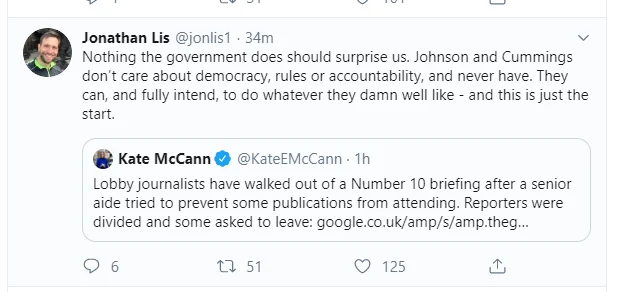
 at Jonathan Lis, show me a journalist who cares about rules, democracy or accountability and privacy.


 We've got a pathological liar, cheat, and charlatan as our Prime Minister - but the thing with liars is, of course, that eventually they get found out.


 , are viewed as too centre or left, it will drive some voters away. It happened in the UK with ukip, slowly attracting conservative voters, it could happen with this AFD party, I believe the leader is a lesbian, and she is quite telegenic, doesn't come across as a headbanger