
Gambling News: Casino and Industry
If you are looking for the easiest way to stay up to date with the latest news from the iGaming world, you’re just in the right place. Here you will find all the hot topics covered from the latest promotions to major industry events and interviews with all the important people.
Latest Industry News

No Summer Break for the Finns: New Draft Regulations Proposed
By Natasa MilojevicSummer’s already here, but Finland isn’t planning on pumping the brakes any time soon. Could be because it never gets scorching hot in Finland, but it’s much more likely they are setting the stage for 2027, when the Finnish online…
See Full Story
UK Betting Adviser Bows Out Over Affordability Checks
By Natasa MilojevicThings are far from peachy keen within the Gambling Act Review Evaluation Advisory Group. One of the senior government advisers, Dr James Noyes, decided to resign over affordability checks that are supposed to be rolled out somewhere in June, 2026.…
See Full Story
When The Wheel Met the Reels: Pragmatic Play’s Gates of Olympus Roulette Just Launched
By Natasa MilojevicIf classic European roulette is your thing, but the Greek ancient world of myth incessantly calls you, too, Pragmatic Play may be able to meet you halfway. Enters Gates of Olympus Roulette, a live casino spin on their staple divine-inspired…
See Full StoryLatest Casinomeister News
Honoring the Good, the Bad, and Everything in Between: Casinomeister Awards 2025
By Natasa MilojevicAs January rolls around, the season to shine the spotlight on the good, the bad, and everything in between in the industry kicks off, too. Yes, you know what we’re talking about — it’s the Casinomeister Awards. This year, we…
See Full Story
Casinomeister’s Roulette Lucky Number Competition Is On
By Natasa MilojevicIt’s that time of the month again — Casinomeister has just rolled out another forum-exclusive competition that you probably don’t want to skip if you’re a roulette enthusiast. To take part in Casinomeister’s Roulette Lucky Number competition, you just need…
See Full Story
Slots Temple Passes Baptism By Fire With Flying Colors
By Filip ColovicAs of July 15th 2025, Slots Temple has successfully passed the 60-day Baptism By Fire and officially joined the ranks of Casinomeister’s Accredited casinos. This UKGC-licensed casino has been around since 2021, and it has maintained a spotless track record…
See Full StoryLatest Promotion News

Get the Ball Rolling With Casinomeister’s Exclusive Golden Boot Competition
By Natasa MilojevicWith the biggest football competition in the world finally kicking off, you’ve probably already got the whole vibe all figured out. Reclined in a comfy chair, you’ll be cheering for your favorite teams for the entire 39 days. Yet, we…
See Full Story
Bring Your A-Game and Hit the Mark: Casinomeister-Exclusive Target Hit Challenge Just Launched
By Natasa MilojevicAs we proceed into May, so does our exclusive monthly competition. This time, though, it comes with a little twist. Instead of chasing the biggest win as you’re used to, you’ll need to get closer to the one of the…
See Full Story
Kicking Off Spring With a Bang: Multiplier Mayhem Slots Competition Is On
By Natasa MilojevicAs the new season begins to take form, we at Casinomeister follow suit. We shed our winter clothes for something lighter and salute the blooming season by kicking off our April competition. This time, it’s Multiplier Mayhem, a forum members-only…
See Full StoryLatest Big Win News

bet365 Player Wins £13,450 on Wonderland Lucky Ball
By Natasa MilojevicTuesday this week, Lucky Ball panned out to be really lucky for one Casinomeister player — £13,450 lucky, to put a finer point to it. Here’s how it all unfolded. Despite not really being a big fan of enabling the…
See Full Story
Sportsbet.io Player Goes on a Winning Streak and Grabs $39,000
By Natasa MilojevicIt’s almost like it was yesterday that Sportsbet.io Casino was grilled while going through our dreaded Baptism by Fire process. That whole ordeal is now behind them, at least ever since Sportsbet.io managed to earn the title of Casinomeister Accredited…
See Full Story
A Lucky King Billy Player Banks CAN$ 3.7 Million on Mega Moolah
By Natasa MilojevicEveryone and their cat have already heard about Game Global’s life-changing progressive jackpot Mega Moolah. Some, though, only dream about hitting big, while others, such as one lucky King Billy Casino player, have already locked their win down. But before…
See Full StoryLatest Interviews
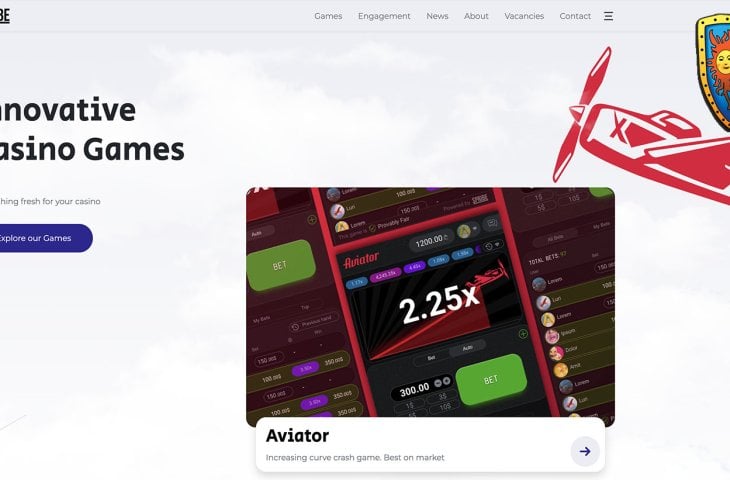
Interview with Giorgi Tsutskiridze, CCO of SPRIBE
By Dave SawyerGiorgi Tsutskiridze – CCO at SPRIBE We last sat down with Shalva, Product Director at SPRIBE some two years ago ( Here ). Now as 2023 comes to an end we would like to introduce to our…
See Full Story
Interview with Connor Blinman – Head of Games at Gaming Corps
By Dave SawyerWe sit down with Connor Blinman the Head of Games at the casino game studio Gaming Corps
See Full Story
Interview with 32Red’s Ed Ware
By CasinomeisterEd and I meet for lunch, a couple of pints, and a chat During the annual International Casino Exhibition at Earls Court in London, Ed Ware and I scurried off to the Atlas Pub for a quick lunch, a couple of…
See Full Story